The deepest places in the world: trenches, boreholes, mines and caves
“Which is deeper?” This Comparo question mixes very different things: ocean trenches, boreholes, mines, caves, a shipwreck, a Martian canyon. It often catches players out, because the absolute record is not where you expect. Here are the depths in our database, from deepest to shallowest.
The ranking
| Place | Depth |
|---|---|
| Kola Superdeep Borehole SG-3 (Russia) | 12,262 m |
| Mariana Trench (Challenger Deep) | ≈ 10,935 m |
| Trieste bathyscaphe (1960 record dive) | 10,916 m |
| Puerto Rico Trench | ≈ 8,376 m |
| Caribbean Sea (deepest point) | ≈ 7,686 m |
| Southern Ocean (deepest point) | ≈ 7,432 m |
| Indian Ocean (deepest point) | ≈ 7,290 m |
| Valles Marineris (Mars) | ≈ 7,000 m |
| Arctic Ocean (deepest point) | ≈ 5,550 m |
| Mediterranean Sea (deepest point) | ≈ 5,267 m |
| Mponeng gold mine (South Africa) | ≈ 4,000 m |
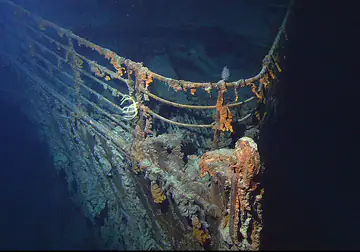
| Wreck of the Titanic | ≈ 3,800 m |
| Veryovkina Cave (Abkhazia) | ≈ 2,212 m |
| Grand Canyon (deepest point) | ≈ 1,857 m |
The trap: a hole deeper than the ocean
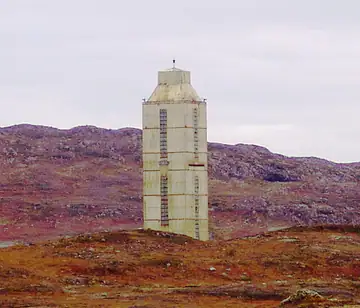
The deepest point in our database is not an ocean trench but a man-made hole: the Kola SG-3 borehole, in north-west Russia, reaches 12,262 metres. Started in 1970 for science (to study the Earth’s crust), it had to stop at that depth: the rock there was much hotter than expected and becoming too plastic to keep drilling.
Yet its diameter is tiny, barely wider than a dinner plate. Nobody could ever go down it.
The Mariana Trench and the Trieste
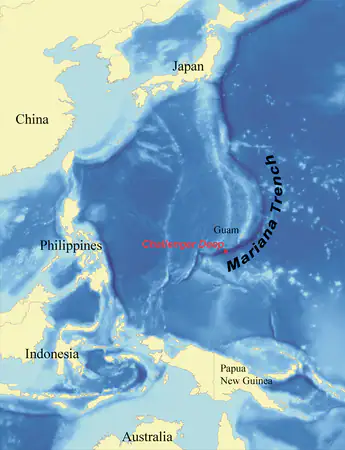
The deepest point of the oceans is in the Mariana Trench, in the Pacific: about 10,935 metres at the Challenger Deep. If you set Everest (8,849 m) inside it, its summit would still be more than two kilometres below the surface.
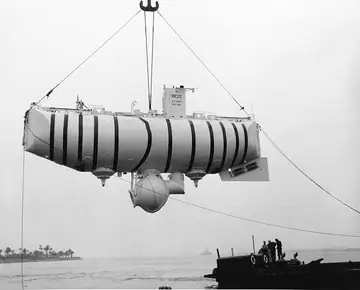
In 1960, the bathyscaphe Trieste, with Jacques Piccard and Don Walsh on board, went down to 10,916 metres. In the game, the Trieste and the trench are never pitted against each other: their values are too close for a reliable answer.
Mines and caves: the human limit
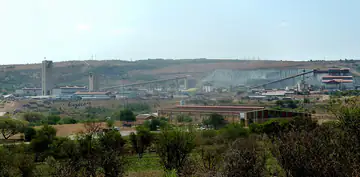
The Mponeng gold mine, in South Africa, goes down about 4,000 metres: one of the deepest mines in the world, where miners actually work. At that depth the rock is above 60 °C and the mine must be cooled constantly.
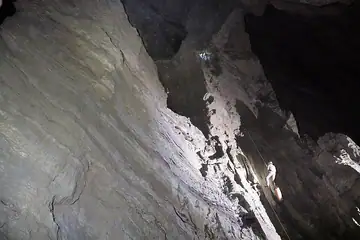
Veryovkina Cave, in the Caucasus, is the deepest known cave: about 2,212 metres explored by cavers, two and a half times the height of the Burj Khalifa.
Comparisons that surprise
- The wreck of the Titanic (≈ 3,800 m) lies deeper than the lowest point of the Red Sea (≈ 3,040 m).
- The Mediterranean goes down more than 5,000 metres: far more than people imagine for an enclosed sea.
- Valles Marineris, on Mars, is a canyon about four times deeper than the Grand Canyon.
How to win these duels
- A man-made borehole can beat an ocean: the absolute record is at Kola.
- Ocean trenches beat almost everything else: more than 7,000 m.
- Mines and caves stay under 4,000 m.
- Read the note: the “deepest point” of a sea, not its average depth.
Where the numbers come from
Depths come from bathymetric surveys, scientific reports and operators, rounded when measurements vary. See our method and our article on the highest peaks.