The most expensive paintings in the world: auctions, private sales and records
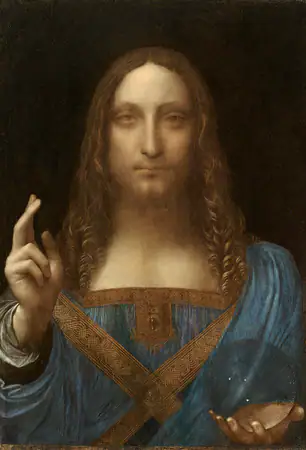 Salvator Mundi
 The Card Players
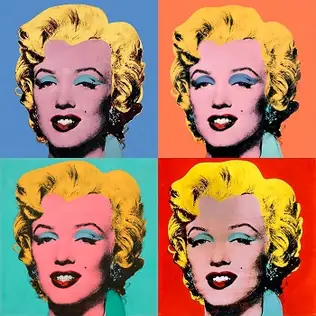 Shot Sage Blue Marilyn
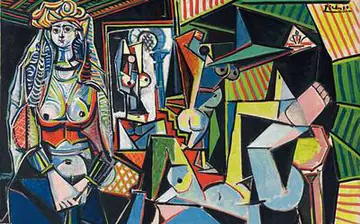 Les Femmes d’Alger (Version O)
 Nu couché
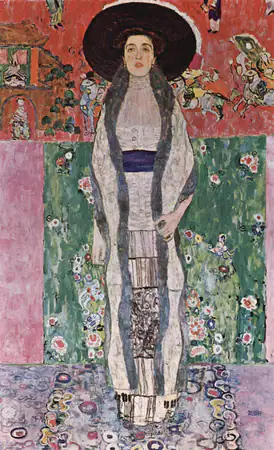 Portrait of Adele Bloch-Bauer II
“Which sold for more?” In Comparo, this question pits masterpieces against each other, but also unexpected collectibles. For paintings, the sums defy imagination, and how they became known matters as much as their value. Here are the records in our database.
The painting ranking
| Work (artist) | Price | Type of sale |
|---|---|---|
| Salvator Mundi (attributed to Leonardo da Vinci) | $450.3 million | auction, 2017 |
| Interchange (Willem de Kooning) | ≈ $300 million | private sale, 2015 |
| The Card Players (Paul Cézanne) | ≈ $250 million | private sale, 2011 |
| Portrait of Elisabeth Lederer (Gustav Klimt) | $236.4 million | auction, 2025 |
| Nafea Faa Ipoipo (Paul Gauguin) | ≈ $210 million | reported private sale, 2014 |
| The Standard Bearer (Rembrandt) | ≈ $198 million | private sale, 2022 |
| Shot Sage Blue Marilyn (Andy Warhol) | $195 million | auction, 2022 |
| Water Serpents II (Gustav Klimt) | ≈ $184 million | private sale, 2013 |
| Les Femmes d’Alger, Version O (Pablo Picasso) | $179.4 million | auction, 2015 |
| Nu couché (Amedeo Modigliani) | $170.4 million | auction, 2015 |
Salvator Mundi, the absolute record
Sold for $450.3 million in 2017, Salvator Mundi is the most expensive painting ever sold. Its story reads like a novel: long considered a copy and bought for a modest sum in the 2000s, it was restored and then attributed to Leonardo da Vinci. That attribution is still debated by some specialists, which did not stop the record.
Auctions versus private sales
Our database distinguishes two kinds of price:
- Auctions (Salvator Mundi, Warhol, Picasso, Modigliani, Klimt in 2025): the price is public, announced in the saleroom and verifiable. That is why these sums are given precisely.
- Private sales (Interchange, The Card Players, Rembrandt…): the price is not officially published, but reported by the specialist press or market players. Comparo shows them with a “≈” sign and a note under the answer.
That nuance explains why some famous paintings appear in no ranking at all: many transactions are never made public.
What the ranking reveals
Modern and contemporary art weighs heavily. De Kooning, Warhol, Picasso and Modigliani sit alongside Leonardo and Rembrandt. 20th-century works are more available on the market than those of the Old Masters, nearly all of which are held by museums.
Klimt has two works in the top ten, including a 2025 record for the Portrait of Elisabeth Lederer.
Size has nothing to do with price. Comparo also asks “Which painting is bigger?”: some huge canvases are worth far less than small portraits. Don’t confuse the two questions.
The game’s traps
- Old Masters are not always the most expensive: a 20th-century canvas can beat a Rembrandt.
- Beware of tight gaps between private sales: their prices are estimates.
- Collectibles (stamps, cards, watches, cars) also appear in price duels: their sums are often far below paintings, but some surprise.
Where the numbers come from
Auction prices are those announced by the auction houses (including fees); private sales are reported by specialist sources and flagged as such. Amounts are in dollars of the year of sale, without adjusting for inflation. See our method.