The world's mightiest rivers: why the Amazon dwarfs them all
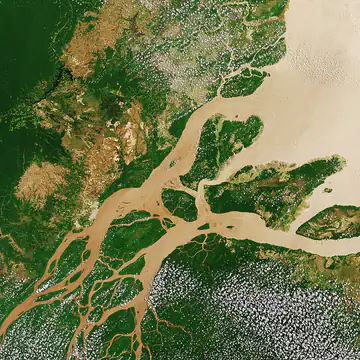
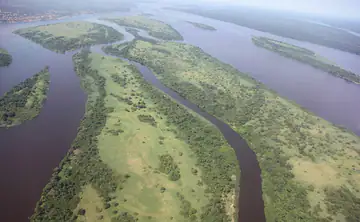
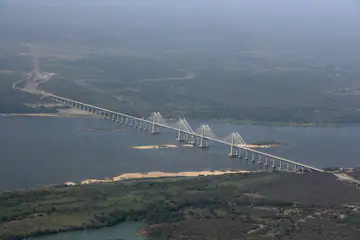
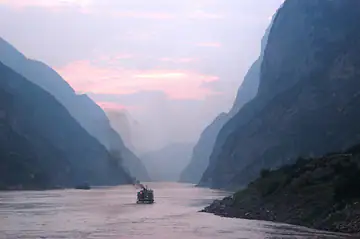
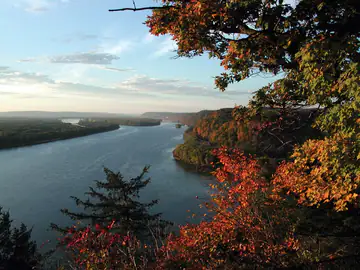
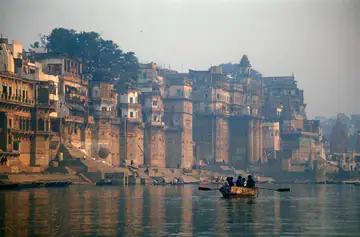
When people think “great river”, they often think of the Nile, the Mississippi or the Yangtze. Yet if you measure how much water flows, one river stands out from all the others in spectacular fashion. In Comparo, “Which river has the bigger flow?” is an excellent trap, because length and power have almost nothing to do with each other.
What is flow?
Flow (or discharge) is the volume of water passing a point every second, measured in cubic metres per second (m³/s). One cubic metre is a thousand litres. Comparo’s values are average flows at the mouth: a river can double in the rainy season and drop sharply in the dry season.
The ranking
| River | Average flow |
|---|---|
| Amazon | ≈ 209,000 m³/s |
| Congo | ≈ 41,200 m³/s |
| Orinoco | ≈ 39,000 m³/s |
| Yangtze | ≈ 30,000 m³/s |
| Yenisei | ≈ 20,200 m³/s |
| Lena | ≈ 18,300 m³/s |
| Mississippi | ≈ 16,800 m³/s |
| Mekong | ≈ 16,000 m³/s |
| Ganges | ≈ 15,800 m³/s |
| Irrawaddy | ≈ 15,400 m³/s |
The Amazon, a monster apart
At about 209,000 m³/s, the Amazon discharges roughly five times more than the Congo, which is second. Add up the next seven rivers in the table (Congo, Orinoco, Yangtze, Yenisei, Lena, Mississippi, Mekong): you get about 181,500 m³/s, still less than the Amazon alone.
The reason is its basin: the world’s largest rainforest, watered by heavy rain all year round, and hundreds of tributaries, some of which, like the Rio Negro or the Madeira, are themselves among the biggest rivers on Earth. The Amazon is commonly estimated to supply on its own about a fifth of the fresh water that rivers pour into the oceans.
Length and flow: two different rankings
The Nile is one of the two longest rivers in the world along with the Amazon, but its flow is modest: for much of its course it crosses desert regions where it receives almost no tributaries and loses water to evaporation and irrigation. The Mississippi, a symbol of power in the United States, only comes seventh in the table.
Conversely, rivers little known to the general public are giants: the Orinoco (Venezuela, Colombia) beats the Yangtze, and Siberian rivers such as the Yenisei and the Lena outrank the Mississippi. They are fed by snowmelt from enormous basins.
The Congo, the other tropical giant
The Congo is the deepest river in the world in some of its gorges, and the only major river to cross the equator twice. Like the Amazon, it drains a very rainy tropical forest, which gives it a high and fairly steady flow all year.
How to win these duels
- Forget length. A very long river that crosses a desert can have a weak flow.
- Think rain. Rainforest or monsoon (Ganges, Irrawaddy, Mekong) = big flows.
- Siberian rivers are almost always underestimated.
- Against the Amazon, the answer is always the Amazon.
Where the numbers come from
Flows are averages published by hydrological services and the scientific literature, rounded. Measurements vary with the gauging point and the period, which is why two rivers with flows that are too close are never pitted against each other in the game. See our method.