Caffeine: how much is really in your coffee, tea or can?

“Which has more caffeine?” In Comparo, this question catches almost everyone at least once. The reason is simple: we judge a drink’s strength by its taste or reputation, whereas the amount of caffeine depends mostly on the size of the serving. Here are the values in our database, all given per usual serving.
The big ranking, per serving
| Drink or food | Caffeine | Serving |
|---|---|---|
| Starbucks Pike Place (grande) | ≈ 310 mg | 473 ml cup |
| Bang Energy | ≈ 300 mg | 473 ml can |
| Cold brew coffee | ≈ 205 mg | 473 ml cup |
| Celsius | ≈ 200 mg | 355 ml can |
| 5-hour Energy | ≈ 200 mg | 57 ml shot |
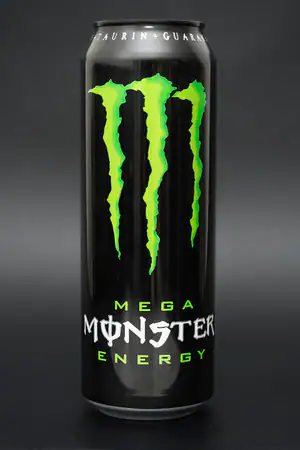
| Monster Energy | ≈ 160 mg | 473 ml can |
| Club-Mate | ≈ 100 mg | 500 ml bottle |
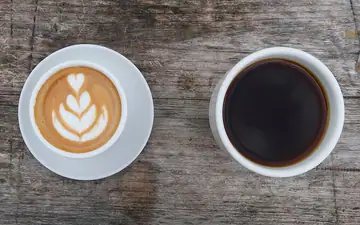
| Cup of coffee | ≈ 95 mg | 240 ml cup |
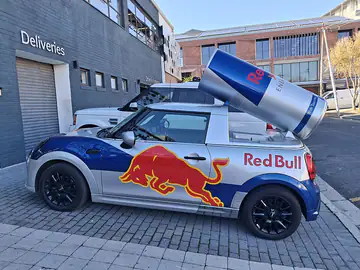
| Red Bull | ≈ 80 mg | 250 ml can |
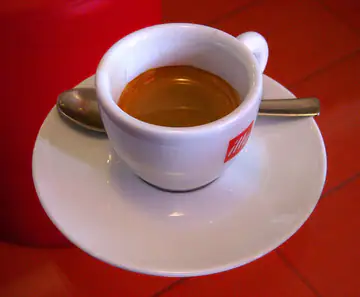
| Espresso | ≈ 63 mg | 30 ml shot |
| Black tea | ≈ 47 mg | 240 ml cup |
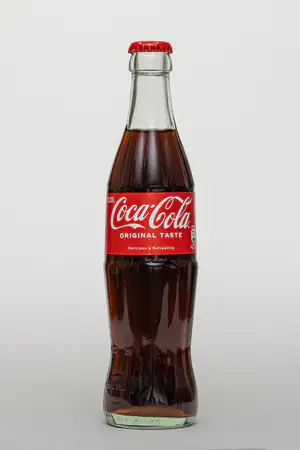
| Coca-Cola | ≈ 34 mg | 355 ml can |
| Green tea | ≈ 28 mg | 240 ml cup |
| Dark chocolate | ≈ 22 mg | 28 g piece |
| Hot chocolate | ≈ 5 mg | 240 ml cup |
| Decaf coffee | ≈ 2 mg | 240 ml cup |
The espresso trap
Espresso has a reputation for being “the strongest”. That is true per millilitre: it is very concentrated. But an espresso is only about 30 ml, for about 63 mg of caffeine. A large 240 ml cup of filter coffee contains about 95 mg, and a Starbucks grande filter coffee about 310 mg — nearly five espressos.
In the game, espresso therefore almost always loses against filter coffee. It is one of Comparo’s most effective traps.
The Red Bull can trap
Red Bull is the most famous energy drink, but its classic 250 ml can contains about 80 mg of caffeine: less than a cup of coffee. The big 473 ml cans of Monster (≈ 160 mg) or Bang (≈ 300 mg) contain two to four times more, first of all because they are almost twice as big.
Tea and cola: less than you think
A cup of black tea contains about half the caffeine of a cup of coffee (≈ 47 mg versus ≈ 95 mg), green tea even less (≈ 28 mg). A can of Coca-Cola contains only about 34 mg; Diet Coke a little more (≈ 46 mg), which often surprises people.
Yerba mate (≈ 85 mg per cup) and matcha (≈ 70 mg per serving) are teas richer in caffeine, because more leaf is consumed (matcha is powdered whole leaf).
Decaf is not “zero”
Decaf coffee keeps traces: about 2 mg per cup. It is very little, but it is not zero. Likewise, chocolate contains a little caffeine (≈ 22 mg for a 28 g piece of dark chocolate, ≈ 9 mg for a 43 g milk chocolate bar).
What about health?
The European Food Safety Authority (EFSA) considers that intakes of up to 400 mg a day do not raise safety concerns for healthy adults, and recommends lower amounts during pregnancy. These benchmarks are given for information only: Comparo is a game, not medical advice.
How to win these duels
- Look at the serving shown under the answer: it decides everything.
- Large coffee > classic energy-drink can > cup of tea > soda.
- Espresso and Red Bull are the two classic traps: strong reputations, modest servings.
Where the numbers come from
Values are average contents published by manufacturers and by reference nutrition databases, for the stated serving. The real content of a coffee varies with the bean, the roast and the preparation. See our method.