The Scoville scale: from bell pepper to Carolina Reaper, what heat really measures
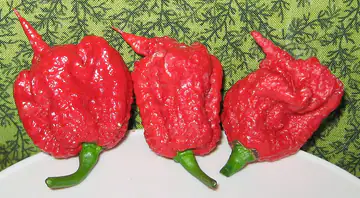
Chili duels are among the hardest in Comparo. No wonder: the scale runs from 0 to 16 million, and most of us have only ever tasted a tiny part of that range. Here is how the Scoville scale works, and where the best-known peppers sit on it.
Where does the scale come from?
In 1912, American pharmacist Wilbur Scoville wanted to measure the strength of the chilies used in warming ointments. His method was simple: he dissolved a pepper extract in sugar water, then diluted it more and more until a panel of tasters could no longer detect any heat. The number of dilutions needed gave the score. A 5,000 Scoville heat unit (SHU) pepper has to be diluted 5,000 times for its heat to disappear.
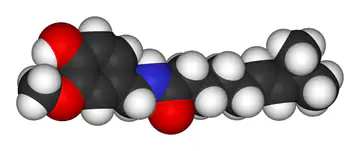
Today, laboratories directly measure the amount of capsaicinoids (the molecules behind the heat) using chromatography, then convert the result into Scoville units. It is more precise, but the values remain averages: two peppers of the same variety can differ by a factor of two depending on climate, soil and ripeness.
The scale, from mildest to hottest
| Pepper or product | Scoville units (SHU) |
|---|---|
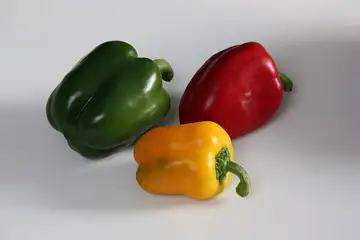
| Bell pepper | 0 |
| Shishito pepper | ≈ 125 (50 to 200) |
| Pimiento | ≈ 300 (100 to 500) |
| Padrón pepper | ≈ 1,250 (500 to 2,500) |
| Poblano | ≈ 1,250 |
| Sriracha | ≈ 1,750 |
| Tabasco sauce | ≈ 3,750 |
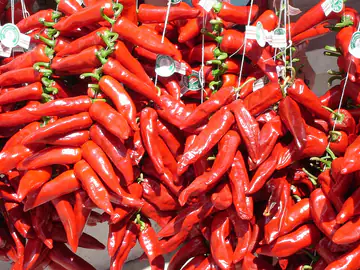
| Espelette pepper | ≈ 4,000 (1,500 to 4,000) |
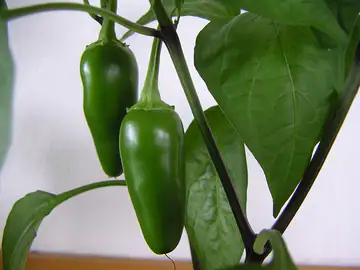
| Jalapeño | ≈ 5,000 (2,500 to 8,000) |
| Aleppo pepper | ≈ 10,000 |
| Serrano | ≈ 17,500 |
| Cayenne pepper | ≈ 40,000 (30,000 to 50,000) |
| Bird’s eye chili | ≈ 75,000 |
| Piri piri | ≈ 100,000 |
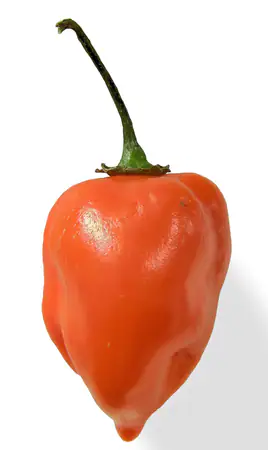
| Habanero | ≈ 225,000 (100,000 to 350,000) |
| Red Savina | ≈ 500,000 |
| Ghost pepper (Bhut jolokia) | ≈ 1,041,000 |
| Trinidad Moruga Scorpion | ≈ 1,200,000 to 2,000,000 |
| Carolina Reaper | ≈ 1,641,000 (average of the record batch) |
| Pepper spray (police grade) | 2,000,000 to 5,300,000 |
| Pure capsaicin | 16,000,000 |
What the table tells us
Espelette pepper is mild. Many players overestimate it, probably because of its bright colour. At around 4,000 SHU at most, it is milder than a jalapeño. It is an aromatic pepper, used for its flavour as much as its heat.
Tabasco sauce is much milder than the Tabasco pepper. The pepper itself reaches about 40,000 SHU, but the sauce, diluted in vinegar, drops to around 3,750. The same goes for sriracha: a sauce is almost always far milder than the pepper it is made from.
The gaps are huge. Between a jalapeño and a Carolina Reaper there is a factor of about 300. Our tongue does not perceive that gap linearly: beyond a certain point, everything simply feels “burning”. That is why duels between very hot peppers are so hard.
The record for the hottest pepper
For around ten years, the official Guinness record was held by the Carolina Reaper, created in South Carolina by Ed Currie, with an average of 1.64 million SHU on the measured batch. In 2023, its creator dethroned it himself with Pepper X, measured by Guinness at around 2.69 million SHU.
Even these records remain far from industrial products. The pepper sprays used by police reach several million units, and pure capsaicin 16 million: a single drop, heavily diluted, would make a dish inedible.
Why it burns (and why water does not help)
Capsaicin is not a taste but a pain signal. It activates the receptors in our mouth that detect heat, hence the burning feeling even though the temperature does not change.
Capsaicin is a fatty molecule that does not dissolve in water. Drinking water therefore just spreads it around your mouth. Milk works much better: its proteins and fats capture the capsaicin. Bread or rice also help, by absorbing it mechanically.
The right reflex in the game
Remember four levels: a bell pepper, 0; a jalapeño, about 5,000; a habanero, about 200,000; superhots, above a million. Also remember that a sauce is almost always milder than the pepper in it, and that industrial products (pepper spray, extracts) beat every natural pepper.
The values in this article are published averages; the game shows the ranges when they are wide, and never pits two peppers whose ranges overlap.