Calories: the foods that hide the most (and the ones wrongly blamed)


Calorie duels are among the most eye-opening in the game, because they shake up deeply held beliefs. One important point before we start: all Comparo values are given per 100 grams (or 100 millilitres for drinks), from the public FoodData Central database of the US Department of Agriculture. So we compare foods at equal weight, not portions.
The top: fats
| Food | kcal per 100 g |
|---|---|
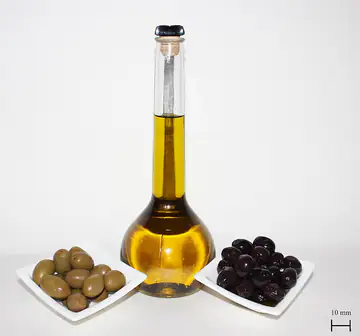
| Olive oil | 884 |
| Butter | 717 |
| Mayonnaise | 680 |
| Walnuts | 654 |
| Dark chocolate (70-85%) | 598 |
| Peanut butter | 588 |
| Almonds | 579 |
| Bacon (cooked) | 541 |
| Nutella | 539 |
| Potato chips | 536 |
The logic is simple: one gram of fat provides about 9 kcal, against about 4 kcal for a gram of sugar or protein. The fattier a food, the higher it climbs. Oil, which is almost 100% fat, is therefore unbeatable.
A surprise for many players: walnuts and almonds have more calories than dark chocolate or Nutella. They are excellent foods, rich in healthy fats and fibre, but very energy-dense.
The middle: sugar, cereals, cheeses
| Food | kcal per 100 g |
|---|---|
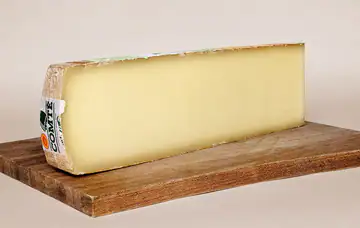
| Comté cheese | 413 |
| Croissant | 406 |
| Oats | 389 |
| Sugar | 387 |
| Cornflakes | 357 |
| French fries | 312 |
| Honey | 304 |
| Baguette | 272 |
| Pizza (cheese) | 266 |
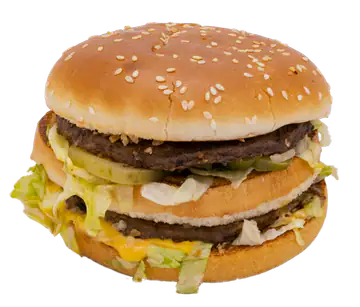
| Big Mac | 257 |
| Beef steak | 244 |
Three tricky duels in this table:
- Oats versus sugar: at equal weight they are practically tied (389 against 387 kcal). What makes the difference for health is fibre and how the body digests them, not calories.
- Comté versus Big Mac: the cheese has far more calories at equal weight (413 against 257 kcal). A burger contains a lot of water (bun, lettuce, sauce), which dilutes its calories. But people rarely eat 200 grams of cheese in one go.
- Honey versus sugar: honey has fewer calories (304 against 387 kcal), simply because it is about 17% water.
The bottom: fruit, vegetables and drinks
| Food | kcal per 100 g (or 100 ml) |
|---|---|
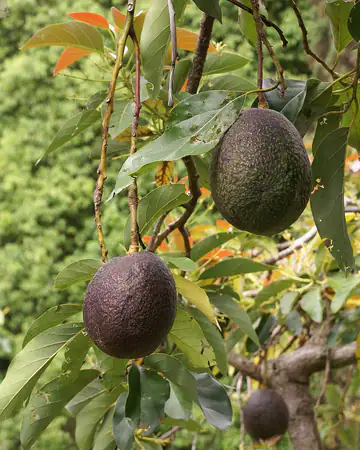
| Avocado | 160 |
| Banana | 89 |
| Grapes | 69 |
| Whole milk | 61 (100 ml) |
| Apple | 52 |
| Orange juice | 45 (100 ml) |
| Beer | 43 (100 ml) |
| Coca-Cola | 42 (100 ml) |
| Carrot | 41 |
| Broccoli | 34 |
| Strawberries | 32 |
| Watermelon | 30 |
| Tomato | 18 |
| Cucumber | 15 |
A few more surprises:
- Orange juice has slightly more calories than Coca-Cola (45 against 42 kcal per 100 ml). The juice has vitamins, but its natural sugar counts just as much as the soda’s.
- Beer sits at the same level as soft drinks (43 kcal per 100 ml, for a standard lager).
- Avocado is by far the most caloric fruit in the table, almost twice a banana.
- Cucumber and tomato are more than 90% water, hence their very low values.
Why we get it wrong so often
Most of our intuitions about calories come from a food’s reputation, not its composition. We label a food “healthy” or “fatty”, then guess its calories from that. But a food can be excellent for your health and very caloric (nuts, olive oil), or low in calories with little nutritional value (a diet soda).
The second source of error is portion size. We instinctively picture a usual serving (a spoonful of oil, a slice of cheese, a whole burger) instead of 100 grams. In the game, the question is always about the same weight, which forces you to think about energy density.
The right reflex in the game
Ask yourself one question: what dominates in this food? If it is fat, it will almost always top 500 kcal. If it is sugar or dry starch (cereals, biscuits, bread), it will sit between 250 and 400. If it is water (fruit, vegetables, drinks), it will stay under 100.
This article compares average nutritional values for the game; it is not dietary advice.